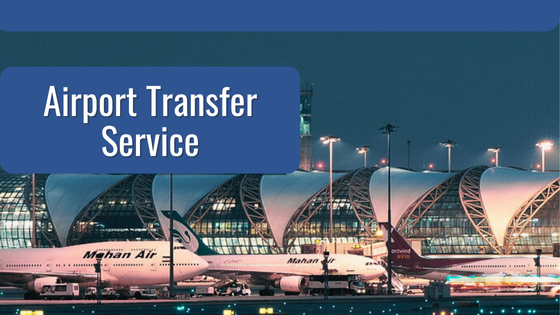
Best Private Transportation From Suvarnabhumi Airport

Travel

The moment you step off the plane at Suvarnabhumi Airport, you’re greeted by the scale and energy of Bangkok. The soaring glass architecture, the hum of travelers, and the tropical air remind you that you’ve arrived somewhere extraordinary. But what happens next—how you leave the airport—can shape your entire experience. Private transportation isn’t just about getting from point A to point B; it’s about setting the tone for your journey.

Why Private Transfers Feel Different

Bangkok offers plenty of ways to get around: public trains, buses, and the ever-present taxi queue. Yet private transfers stand apart because they remove uncertainty. Instead of negotiating fares or waiting in line, you’re met by a driver who already knows your name and destination. The car is ready, the route is planned, and the stress of navigating a new city melts away. That sense of ease is what makes private transportation the preferred choice for travelers who value time and comfort. Services such as The Exclusive Transfer elevate this experience further, blending efficiency with luxury so that your arrival feels effortless and refined.

Vehicles That Match Your Journey

Think of private transfers as a menu of experiences. A sleek sedan suits the solo traveler or couple who want a smooth ride into the city. Families often choose spacious vans, where luggage and strollers fit without fuss. Business travelers lean toward executive cars, where privacy and professionalism matter. And for those who want to make a statement, limousines or luxury SUVs transform a simple transfer into an event. The best services let you choose the vehicle that matches not just your needs, but your mood.

The Bangkok Traffic Puzzle

Anyone who has spent time in Bangkok knows that traffic is part of the city’s identity. It can be chaotic, unpredictable, and overwhelming. This is where private drivers earn their value. Experienced chauffeurs know the shortcuts, the peak hours, and the hidden routes that shave precious minutes off the journey. While you relax in the back seat, they navigate the puzzle with skill, turning what could be a stressful ordeal into a calm passage through the city.

Booking Made Effortless

Gone are the days of scrambling for transport after landing. Modern private transfer services allow you to book online before your flight, with confirmation details sent straight to your phone. Transparent pricing means no hidden surprises, and flexible policies accommodate delays or changes in your itinerary. For international visitors, English-speaking support adds reassurance. The process is designed to be as smooth as the ride itself.

Safety and Professionalism as the Foundation

Style and comfort mean little without safety. Reputable private transfer companies maintain their vehicles meticulously and employ licensed, professional drivers. Courteous service—helping with luggage, punctual arrivals, and respectful communication—turns a simple ride into a polished experience. For solo travelers or those arriving late at night, the security of a trusted service is invaluable.

Setting the Tone for Your Trip

Your first journey from Suvarnabhumi Airport is more than a transfer—it’s the opening chapter of your Bangkok story. Arriving in a private car, shielded from the chaos outside, gives you space to breathe, reflect, and anticipate what’s ahead. Whether you’re here for business, leisure, or a special occasion, private transportation ensures that your introduction to the city is one of comfort, confidence, and style.

Conclusion

Bangkok is a city of contrasts, where tradition meets modernity at every turn. Choosing private transportation from Suvarnabhumi Airport allows you to embrace that blend with ease. It’s not just about convenience; it’s about starting your journey on the right note. From the moment you leave the terminal, you’re not simply traveling—you’re arriving with intention.

What Expenses Are Deductible in Rental Property Income?

FinanceReal Estate

Owning a rental property can be a great way to earn extra income, but it also comes with responsibilities—especially when tax season rolls around. The money you collect from tenants is considered rental income, and the government expects you to report it. The good news is that you don’t have to pay taxes on the full amount you earn. Many of the costs you spend on your property can be deducted, which means you subtract them from your income before calculating how much tax you owe.

This is where deductions come in. They help lower your taxable income, so you keep more of your money. If you’ve ever wondered what exactly counts as deductible, the answer is: quite a lot.

Everyday Expenses That Count

When you think about running a rental property, there are plenty of everyday costs that pop up. Repairs, maintenance, and even things like lawn care or pest control can be deducted. If you had to fix a broken pipe or replace a faulty lock, those expenses reduce your taxable income. The key difference to remember is between repairs and improvements. Repairs keep the property in good working condition, while improvements add value or extend its life. Repairs are deductible right away, but improvements usually have to be spread out over several years through something called depreciation.

Insurance is another common deductible expense. Whether it’s property insurance, liability coverage, or even flood insurance, the premiums you pay can be written off. Property taxes also fall into this category.

Mortgage Interest and Depreciation

For many landlords, the mortgage is the biggest monthly expense. Luckily, the interest portion of your mortgage payments is deductible. This can make a huge difference, especially in the early years of owning a property when interest payments are higher.

Depreciation is a bit more complicated but equally important. The government recognizes that buildings wear down over time, so it allows you to deduct a portion of the property’s value each year. This isn’t money you actually spend, but it’s a tax break that acknowledges the natural aging of your property. Over time, depreciation can add up to thousands of dollars in deductions.

Professional and Management Costs

If you hire a property manager to handle tenants, collect rent, or oversee maintenance, those fees are deductible. The same goes for professional services like accountants or lawyers who help you with your rental business. Even advertising costs—like listing your property online or printing flyers—can be deducted.

Travel expenses also count if they’re directly related to your rental property. For example, if you drive to the property to check on repairs or meet with tenants, you can deduct mileage. Just make sure to keep records of your trips.

Utilities and Other Costs

In some cases, landlords cover utilities like water, electricity, or gas. If you pay these bills, they’re deductible. The same applies to things like trash collection or internet service if they’re part of the rental agreement.

It’s worth noting that expenses for rental property are usually tax deductible as long as they are ordinary and necessary. Ordinary means common and accepted in the rental business, while necessary means helpful and appropriate for managing the property.

Keeping Records Matters

All of these deductions sound great, but they only work if you keep good records. Saving receipts, invoices, and contracts is essential. Without proof, you might not be able to claim the deduction if the tax authorities ask questions. Many landlords use spreadsheets or apps to track expenses throughout the year, which makes filing taxes much easier.

Reporting Income and Deductions

When it’s time to file taxes, rental income and deductions are reported on Schedule E of your tax return. This form lets you list your income and subtract all the deductible expenses. The result is your net rental income, which is the amount you actually pay taxes on.

For example, if you collected $15,000 in rent but spent $5,000 on deductible expenses, you’d only be taxed on $10,000. That’s why understanding what’s deductible is so important—it directly affects how much money you keep.

In Conclusion

Owning a rental property isn’t just about collecting rent, it’s also about managing expenses wisely. From repairs and insurance to mortgage interest and professional fees, many of the costs you face as a landlord can reduce your taxable income. The more you understand what’s deductible, the better you can plan and save.

Taxes might seem complicated, but with a little organization and awareness, they become much easier to handle. Keeping records, knowing the difference between repairs and improvements, and remembering that expenses for rental property are usually tax deductible can help you make the most of your investment. In the end, deductions aren’t just about saving money—they’re about making rental property ownership more rewarding and sustainable.