Ordering custom printed t-shirts for the first time can seem daunting. How many should you order? Which fabric works best? What design elements will reproduce cleanly? Will your budget stretch far enough? These questions plague leaders contemplating custom shirt projects. Understanding the essentials transforms this process from overwhelming to manageable.
Starting with Clear Goals
Before contacting manufacturers, clarify your objectives. Are you creating team uniforms, promotional merchandise, event giveaways, or volunteer shirts? Each application has different requirements. Team uniforms demand durability and professional appearance. Event shirts prioritize comfort and memorable designs. Volunteer apparel requires visibility and easy identification.
Sabuygarment’s experienced team asks these questions upfront, using your answers to guide recommendations. This consultative approach prevents mismatched expectations and ensures your final product serves your actual needs rather than theoretical requirements, resulting in เสื้อสวย that match both function and style.
Determining Quantities and Budgets
Custom printing costs decrease with volume, but bulk purchases only make sense if you’ll actually use the shirts. A common mistake involves ordering excessive quantities to achieve lower unit costs, resulting in wasted inventory and budget inefficiency.
Start by calculating realistic needs. If you have 50 employees, ordering 50-75 shirts allows distribution with minimal waste. If you’re creating promotional merchandise, begin conservatively—perhaps 100-200 units—before committing to larger orders. Sabuygarment’s minimum order of just 10 units enables this thoughtful, graduated approach.
Establish your budget ceiling early. Quality custom printed t-shirts range from affordable basic options to premium branded pieces. Understanding your budget parameters helps manufacturers suggest appropriate fabric choices and printing techniques that maximize value within your financial constraints.
Fabric Selection Fundamentals
Fabric choice dramatically impacts user satisfaction. For general-purpose uniforms and events, micro-polyester offers excellent breathability, moisture-wicking, and vibrant color reproduction at reasonable costs. These fabrics dry quickly and require minimal care—important when managing large quantities.
For athletic or outdoor applications, air-flow fabrics provide superior ventilation and rapid moisture evaporation. The distinctive dot-pattern weave creates professional appearance while delivering performance. Organizations hosting sporting events or outdoor activities find air-flow fabrics worth the modest premium.
For corporate or premium applications, honeycomb fabrics communicate luxury and quality. These materials feel exceptionally soft, resist wrinkling, and create sophisticated appearance ideal for client-facing teams or executive uniforms.
Request fabric samples before committing. Touching and evaluating actual materials prevents surprises when your order arrives. Professional manufacturers readily provide samples, understanding that confident clients make better decisions.
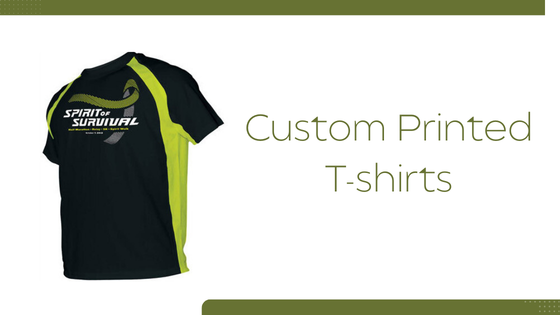
Design Considerations
Great designs start with clear concepts but benefit from professional expertise. Do you have logo files? Design guidelines? Color specifications? Bring everything to your manufacturer. If you’re starting from scratch, professional design support adds tremendous value.
Sabuygarment offers over 1,000 pre-designed templates for quick implementation, or their team creates custom designs specifically for your project. Their designers understand technical requirements—how designs must be formatted for printing, optimal color combinations, and placement considerations that ensure finished products exceed expectations.
Avoid overly complex designs with tiny details that may not reproduce cleanly. Simple, bold graphics print beautifully and communicate more effectively anyway. Professional designers will guide you toward designs that look stunning in actual production rather than only on digital mockups.
Color Management and Approvals
Discuss color accuracy early. Professional manufacturers can provide color samples showing how your design will appear on your chosen fabric. This crucial step prevents disappointment when printed shirts arrive looking different than expected.
Some color combinations work better on certain fabrics. Your manufacturer should guide these decisions, leveraging experience from thousands of previous projects. CMYK color systems used in printing differ from RGB digital colors, and professional communication about these technical details matters.
Timeline Planning
Standard production typically requires 7-14 days after design approval. Rush options exist for time-sensitive projects, though expedited production may incur small premiums. Discuss timelines upfront, providing manufacturers realistic deadlines they can commit to meeting.
In Conclusion
Ask about quality control processes. Do they inspect every shirt? How do they handle defects? Professional manufacturers stand behind their work and welcome these conversations. Their quality commitment protects your investment.
Custom printed t-shirts create value far beyond the physical product. They’re vehicles for brand expression, team identity, and organizational pride. Selecting manufacturers who understand this deeper significance—who ask questions, provide guidance, and prioritize your satisfaction—transforms transactions into genuine partnerships that deliver exceptional results.